
Recommendation System Solutions for Media in 2026 | Informatix.Systems
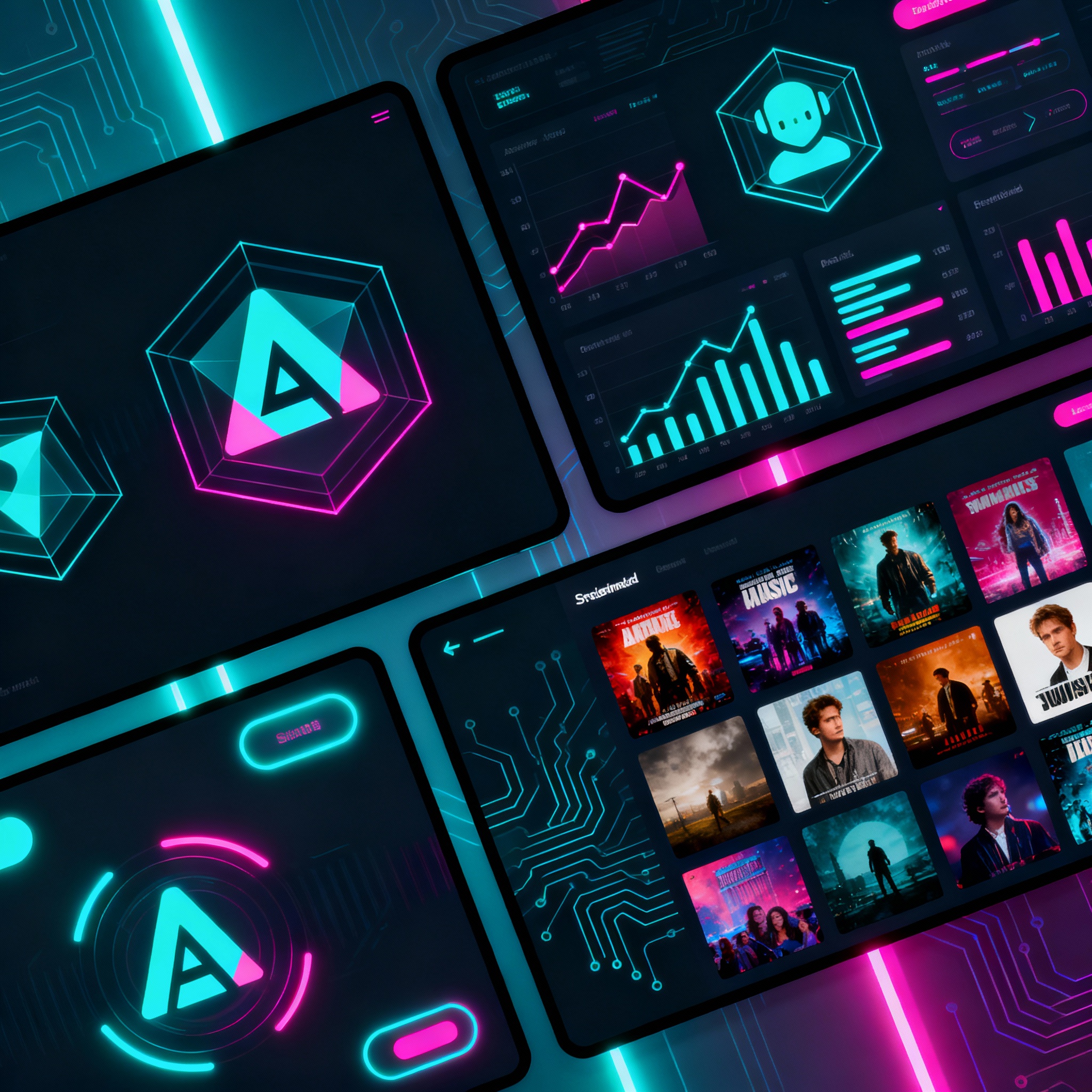
The media industry is undergoing a seismic transformation in 2026. Streaming services, digital news platforms, music apps, and social media networks are no longer competing just on content quality; they’re competing on personalization speed and accuracy. Today’s audiences expect personalized recommendations that feel intuitive, relevant, and real-time. Whether it’s a movie suggestion, a news headline, or a music playlist, recommendation systems are the invisible engine driving modern engagement. In this hyper-competitive space, media organizations that fail to adopt AI-driven recommendation systems risk losing audience attention and market share. Algorithms powered by machine learning (ML), deep learning, and natural language processing now define how content reaches the right viewer at the right moment. At Informatix.Systems, we provide cutting-edge AI, Cloud, and DevOps solutions for enterprise digital transformation, enabling media enterprises to design personalized and scalable recommendation systems built for the 2026 landscape. Our solutions empower media platforms to leverage advanced user modeling, contextual AI, and hybrid recommendation engines to transform audience engagement, retention, and monetization. This article explores how recommendation system solutions are redefining the media industry, what technologies power them, and how Informatix Systems is helping global enterprises adopt next-gen AI-driven personalization in 2026.
The Evolution of Recommendation Systems in Media
From Manual Curation to Machine Learning Automation
Early media platforms relied on manual content tagging and editorial curation. As data volumes exploded, this approach became inefficient. The turning point came with collaborative filtering and content-based recommendation systems, followed by deep learning-driven personalization.
Key Milestones
- 2010–2015: Collaborative filtering dominates early OTT platforms.
- 2016–2020: Machine learning customization powered by big data.
- 2021–2025: AI and deep neural networks integrate with streaming algorithms.
- 2026: Predictive personalization based on real-time user behavior and cross-platform context.
Why Recommendation Systems Are Critical for Media in 2026
Personalization as a Differentiator
In a saturated digital media market, personalized recommendations directly drive user engagement and retention. Audiences no longer want generic experiences; they expect precision.
Business Impact Highlights
- +25% Engagement Increase from content relevance.
- Reduced Churn via predictive user satisfaction modeling.
- Increased Ad Revenue through better click-through rates.
- AI-driven Insights enabling smarter editorial and marketing decisions.
At Informatix.Systems, we empower media organizations to move beyond basic algorithms and deploy enterprise-grade AI systems that interpret multi-modal signals, from video watch patterns to sentiment insights from social comments.
Core Components of an AI-Powered Recommendation System
User Profiling and Context Awareness
A robust recommendation engine begins with detailed user modeling.
- Data inputs: demographics, location, preferences, device type.
- Behavioral signals: watch history, dwell time, clickstreams, sentiment.
- Contextual layers: time of day, trending topics, seasonal interests.
Content Understanding and Metadata Enrichment
Media items are analyzed for topic, genre, tone, and engagement history. Informatix.Systems apply AI-driven metadata tagging and semantic embeddings for context-rich indexing.
Recommendation Algorithms
- Collaborative filtering
- Content-based filtering
- Knowledge graph-based recommendation
- Hybrid systems for balanced performance
Feedback Loops and Continuous Learning
Our systems employ reinforcement learning models to adapt dynamically as user behaviors evolve, ensuring continued accuracy and engagement.
Types of Recommendation Systems for Media Enterprises
| Type | Description | Ideal For |
|---|---|---|
| Content-Based Filtering | Matches content similar to the user's history | News, Music, Video |
| Collaborative Filtering | Learns from similar users’ behaviors | OTT, E-Commerce |
| Context-Aware Systems | Adds temporal and situational context | Mobile Media Apps |
| Hybrid Systems | Combines multiple methods for precision | Enterprise Streaming |
| Deep Learning Models | Understands complex multi-modal inputs | Personalized Media & Ads |
AI Technologies Driving Media Recommendations in 2026
Machine Learning Foundations
- Supervised Learning: For sentiment and rating prediction.
- Unsupervised Learning: Clustering audiences into interest groups.
- Reinforcement Learning: Real-time personalization optimization.
Deep Learning Innovations
- Transformers for natural language understanding.
- CNNs for video and image feature extraction.
- RNNs and attention mechanisms for sequence modeling.
Generative AI and Knowledge Graphs
Generative AI enables predictive content suggestions, while knowledge graphs connect user intent with media entities for semantic precision.
Informatix Systems AI Framework for Media Recommendation
At Informatix.Systems, our Recommendation Intelligence Suite blends AI, big data, and cloud-native computing for unmatched scalability and customization.
Framework Highlights
- Data Ingestion Layer: Unified stream of user, content, and contextual data.
- AI Modeling Layer: Multiple ML/DL pipelines trained using domain-specific data.
- Cloud Deployment Layer: Scalable, containerized microservices on AWS, Azure, or GCP.
- Monitoring Layer: MLOps dashboards for performance tracking and retraining automation.
Benefits for Media Enterprises
- Personalized cross-platform experiences.
- Scalable to millions of users in real time.
- Fast integration with existing CMS and analytics stacks.
- Secure compliance with global data regulations (GDPR, CCPA).
Cloud-Native Architecture for Large-Scale Personalization
Media recommendation systems generate massive real-time datasets. Informatix.Systems designs cloud-native architectures that sustain low latency, high availability, and elastic scalability.
Cloud Advantages
- Serverless computing for scalable inference.
- Data lake integration for centralized analytics.
- Edge delivery networks for global user response optimization.
Through DevOps automation, updates and retraining cycles happen seamlessly, minimizing downtime and operational risk.
Measuring ROI from Recommendation System Deployment
Key Performance Indicators (KPIs)
- Engagement Metrics: CTR, watch time, dwell time
- Retention Metrics: churn rate reduction
- Business Metrics: ARPU increase, ad conversion rates
- System Metrics: model accuracy, inference latency
ROI Optimization Strategy
At Informatix.Systems, we provide AI-powered A/B testing frameworks that isolate recommendation impact across audiences, helping clients maximize ROI by identifying what model configurations deliver measurable engagement gains.
Ethical and Transparent AI Recommendations
With increased AI adoption, ethical governance and transparency become critical in 2026 media ecosystems. Informatix.Systems enforces responsible AI policies.
Our Responsible AI Practices
- Explainable AI models with interpretable outputs.
- Bias detection algorithms.
- Secure user data anonymization.
- Transparent feedback mechanisms for audiences.
We ensure that personalization enhances audience experience without compromising user trust or data rights.
Future of Recommendation Systems: 2026 and Beyond
Trends Shaping the Next Decade
- Multimodal AI: Integrating video, audio, and text understanding.
- Cross-Platform Personalization: Seamless user journeys between devices.
- Generative Recommendations: AI-created playlists, news summaries, or video lineups.
- Privacy-First Personalization: On-device ML to protect user data.
As we advance into 2026, recommendation systems will act as intelligent digital advisors, continuously learning from contextual shifts and emotional engagement cues. Recommendation systems represent the future foundation of media experiences. From OTT platforms and news portals to social feeds and advertising ecosystems, intelligent recommendation engines determine who sees what, when, and why. At Informatix Systems, we empower global media enterprises to build, deploy, and optimize AI recommendation systems that deliver measurable value through personalization, engagement, and growth. Our expertise in AI, Cloud, and DevOps ensures your media platform remains adaptive, predictive, and ethically advanced.
FAQs
What is a recommendation system in media?
It is an AI-driven solution that analyzes user data and content attributes to deliver personalized content recommendations.
How do recommendation systems improve engagement?
They increase session time, content discovery, and retention by serving hyper-relevant suggestions.
What technologies power modern recommendation engines?
Machine learning, deep learning, natural language processing, and knowledge graphs are core technologies.
How does Informatix Systems help media companies build these systems?
We design custom AI pipelines, cloud deployment frameworks, and continuous retraining workflows tailored for enterprise-scale personalization.
Are recommendation systems privacy-compliant?
Yes. Informatix.Systems implement secure anonymization and compliance frameworks with GDPR and CCPA.
How can a media company measure ROI on recommendation systems?
By tracking engagement metrics (CTR, retention, ARPU) and conducting controlled A/B testing.
What’s the difference between collaborative and content-based filtering?
Collaborative filtering learns from user behavior similarities; content-based focuses on item attributes.
What’s next for recommendation systems after 2026?
Expect AI systems capable of context-aware, generative, and multi-sensory storytelling driven by user emotion and interaction data.
No posts found
Write a review